

How do horror novels build lasting dread & truly scare readers?
Horror novels excel at crafting profound and lasting fear by leveraging psychological depth, atmospheric detail, and the unique power of the reader’s own imagination.
Free horror novels can masterfully craft lasting fear by focusing on psychological manipulation, pervasive atmosphere, and subtle threats rather than explicit gore.
Explore effective writing techniques that build profound psychological dread in horror novels, focusing on atmosphere, character vulnerability, and the power of the unseen over explicit gore.
Free horror novels, often accessible online, can transcend fleeting cheap scares by leveraging psychological depth, atmospheric tension, and character development to instill profound and lasting dread in readers.
Explore the subtle, often unseen psychological manipulations and narrative techniques authors employ to instill a deep, lasting dread that goes far beyond explicit gore in horror novels.
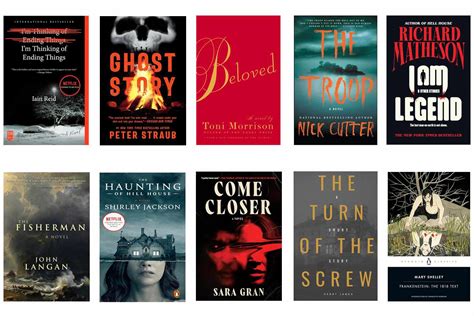
Explore a curated guide to horror novels that delve deep into psychological terror, cosmic dread, and unsettling atmospheres, moving far beyond the predictable jump scares and gore of traditional slasher stories.
For those who prefer their scares without the splatter, several psychological horror subgenres excel at conjuring deep-seated dread by playing on the mind’s darkest fears and insecurities.
Psychological horror meticulously constructs fear and dread not through overt violence, but by exploiting the human mind’s deepest anxieties, vulnerabilities, and the unsettling power of the unknown.
Free horror novels often master the art of sustained psychological dread and atmospheric tension, demonstrating sophisticated techniques that go far beyond the fleeting impact of simple jump scares.
Free horror novels craft deep psychological dread by focusing on atmosphere, character erosion, the unseen, subtle implication, and existential fears, rather than relying on jump scares or gore.